Technical foundation
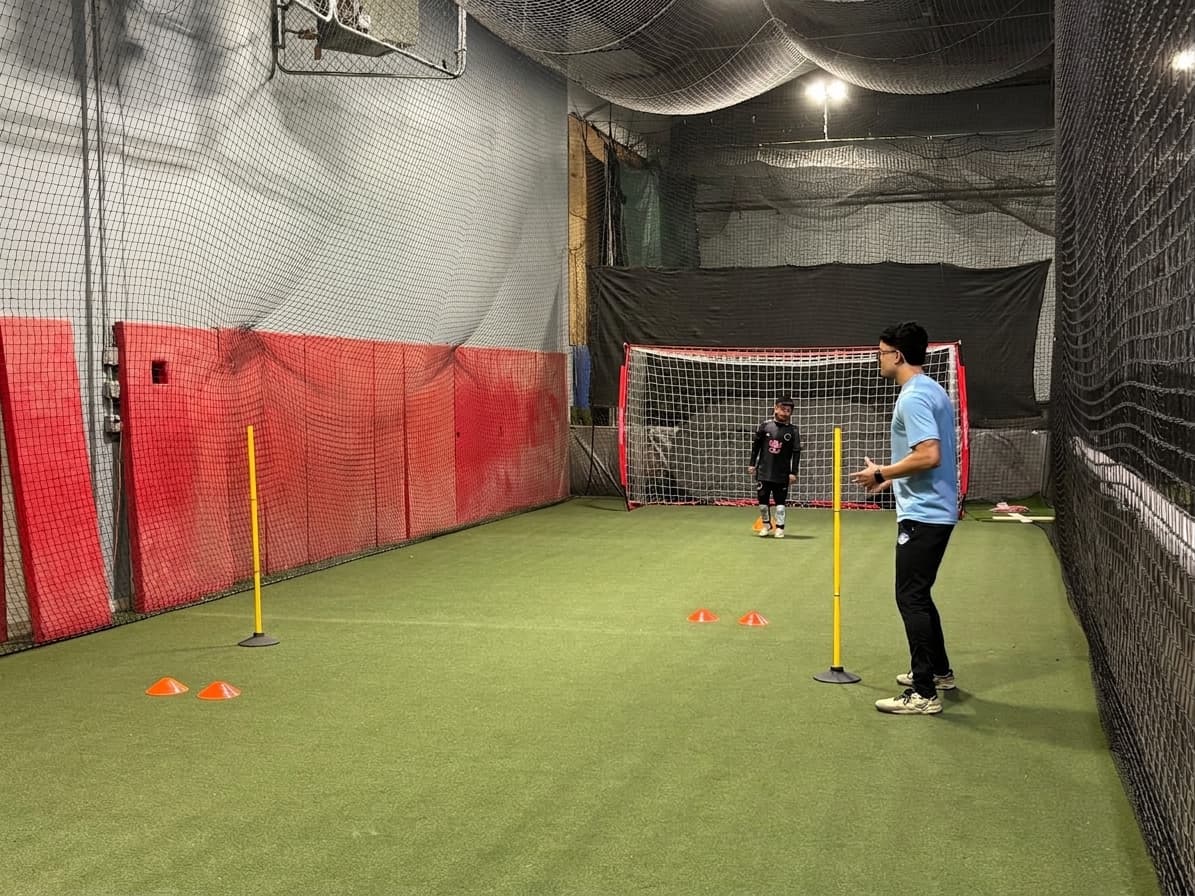
1 on 1 training
Individual ball work, body shape, first touch, striking mechanics, and coach-led correction for the player who needs a clearer feedback loop.
Explore
Soccer performance by P2P
P2P Futbol Program training led by Coach Gabriel Padilla, built around technical detail, athletic development, and research-informed plyometric work.
1 on 1
individual player detail
Duo
shared intensity
Trio
small-group rhythm
Groups
shared training energy

Owner and founder
Gabriel Padilla
P2P pathways
Each lane has a clear coaching purpose, helping families choose the right training format before the work begins.
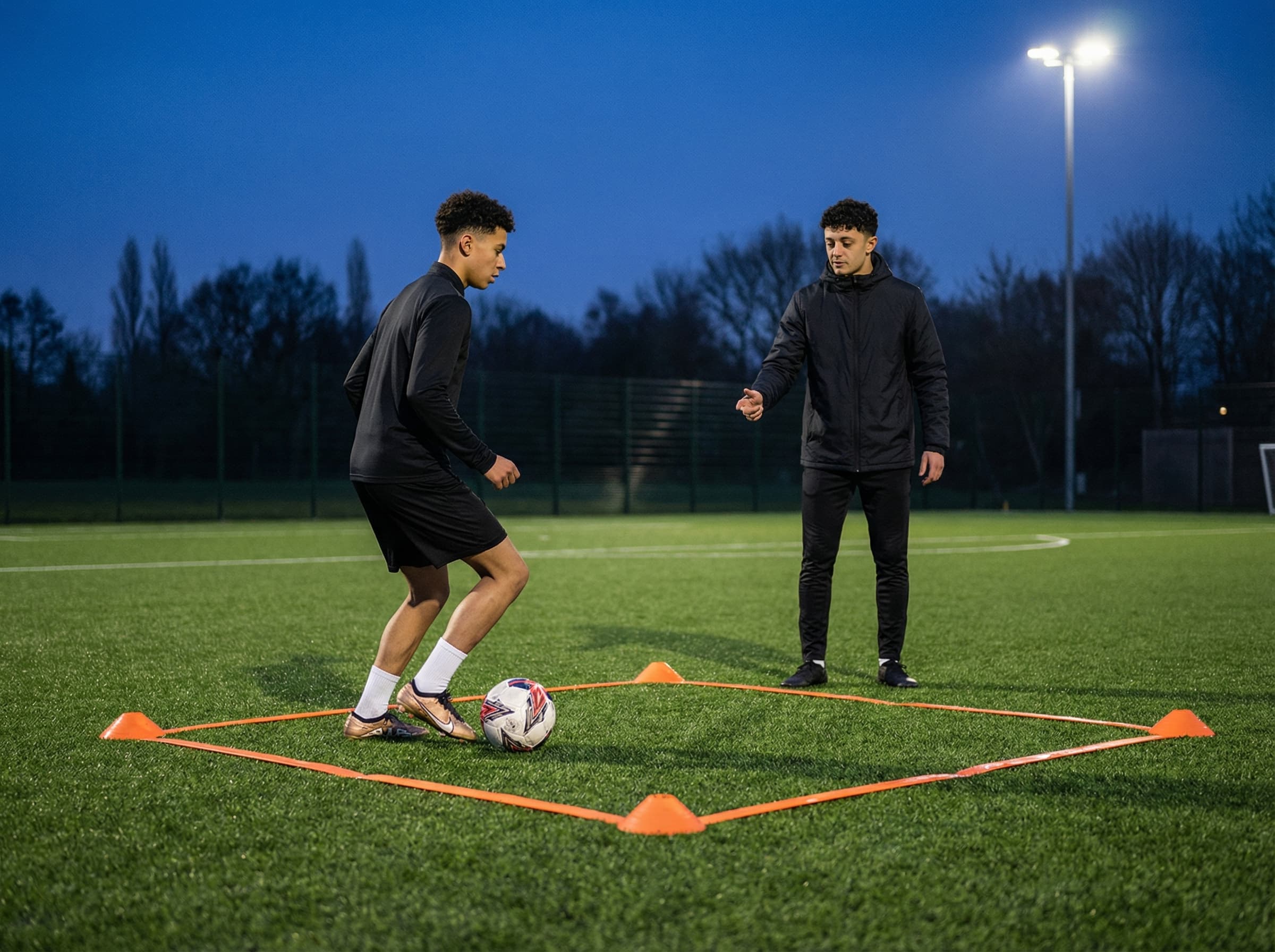
Technical foundation
Individual ball work, body shape, first touch, striking mechanics, and coach-led correction for the player who needs a clearer feedback loop.
ExploreShared tempo
Two-player sessions that keep the work competitive without losing coaching detail, rhythm, and decision quality.
ExploreThree-player rhythm
Three-player sessions for compatible athletes who want pace, repetition, and coach attention in a small-group setting.
ExploreGroup training
Shared sessions with a clear technical theme, competitive rhythm, and enough structure to keep every rep connected to the work.
ExplorePower and control
Jump, landing, stiffness, rhythm, and coordination work layered carefully for soccer players who need better repeatable movement.
Explore

P2P head coach
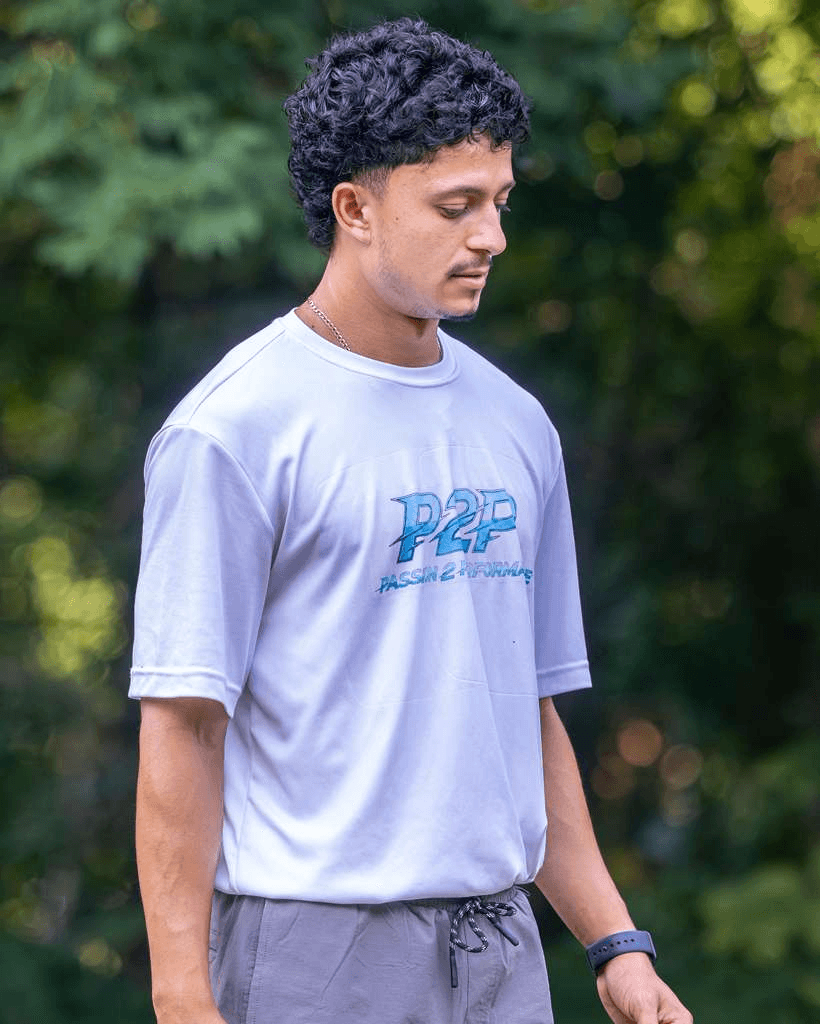
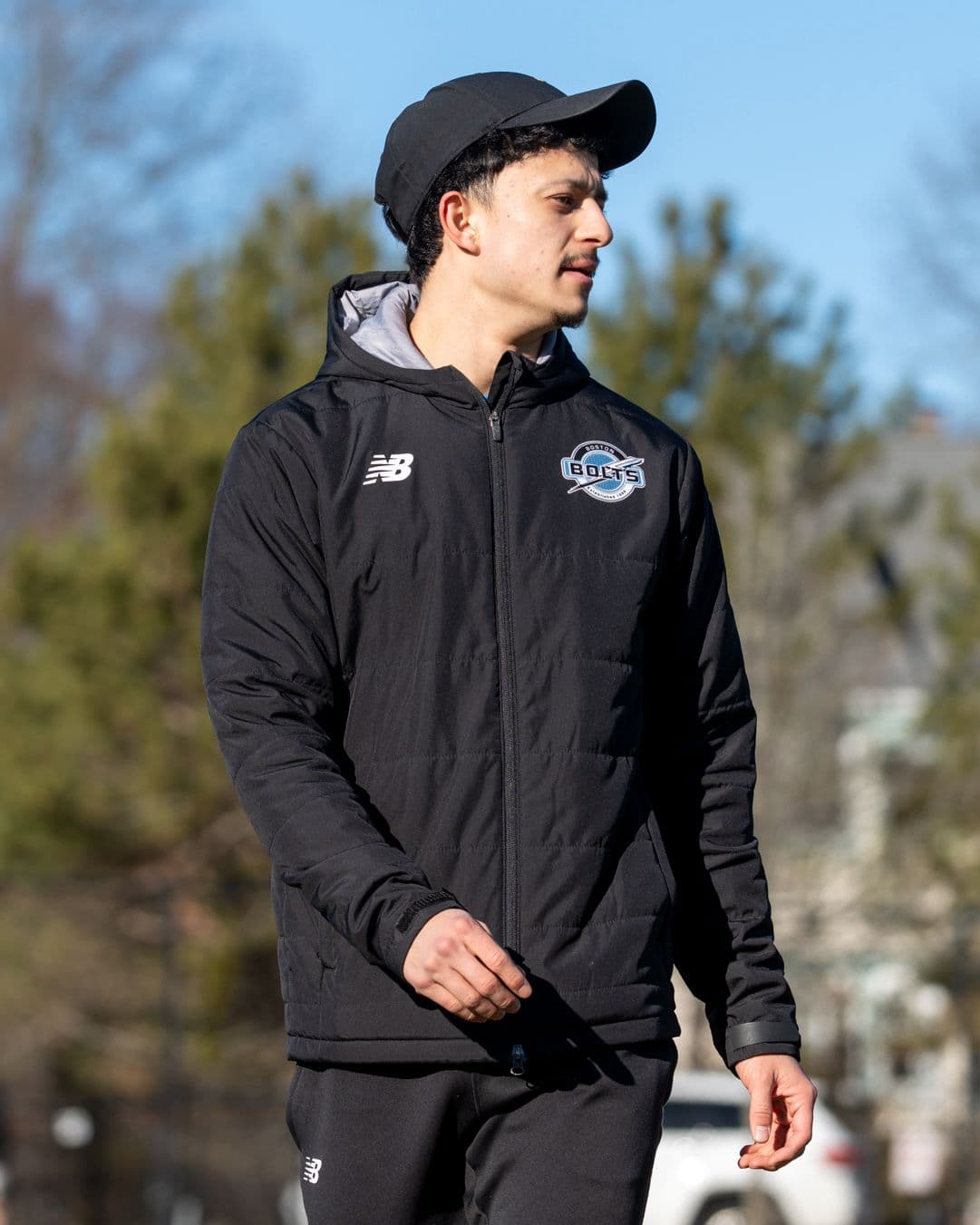
Gabriel Padilla
Coach-led identity
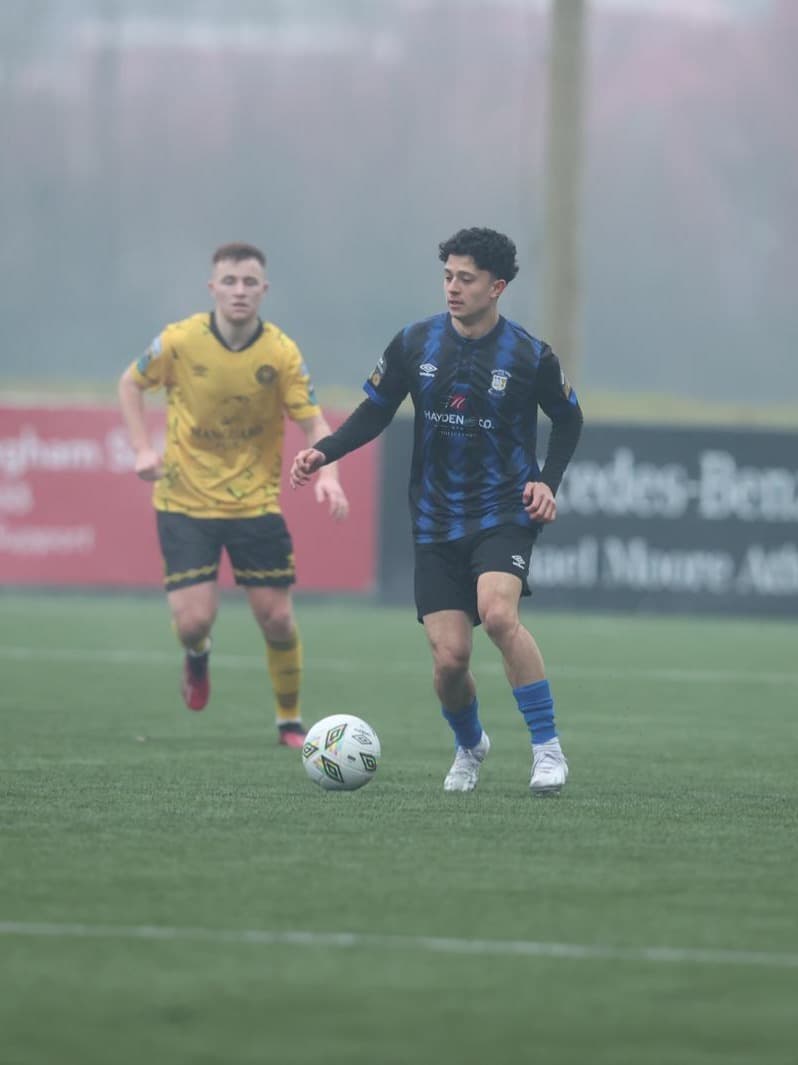
Coach Gabriel's playing background shapes the training environment: technical detail, honest feedback, and high standards for how players show up to work.
Former professional and semi-professional playing background
Academy experience with New England Revolution and Boston Bolts
USSF licensed coach
Trilingual: English, Spanish, and Portuguese
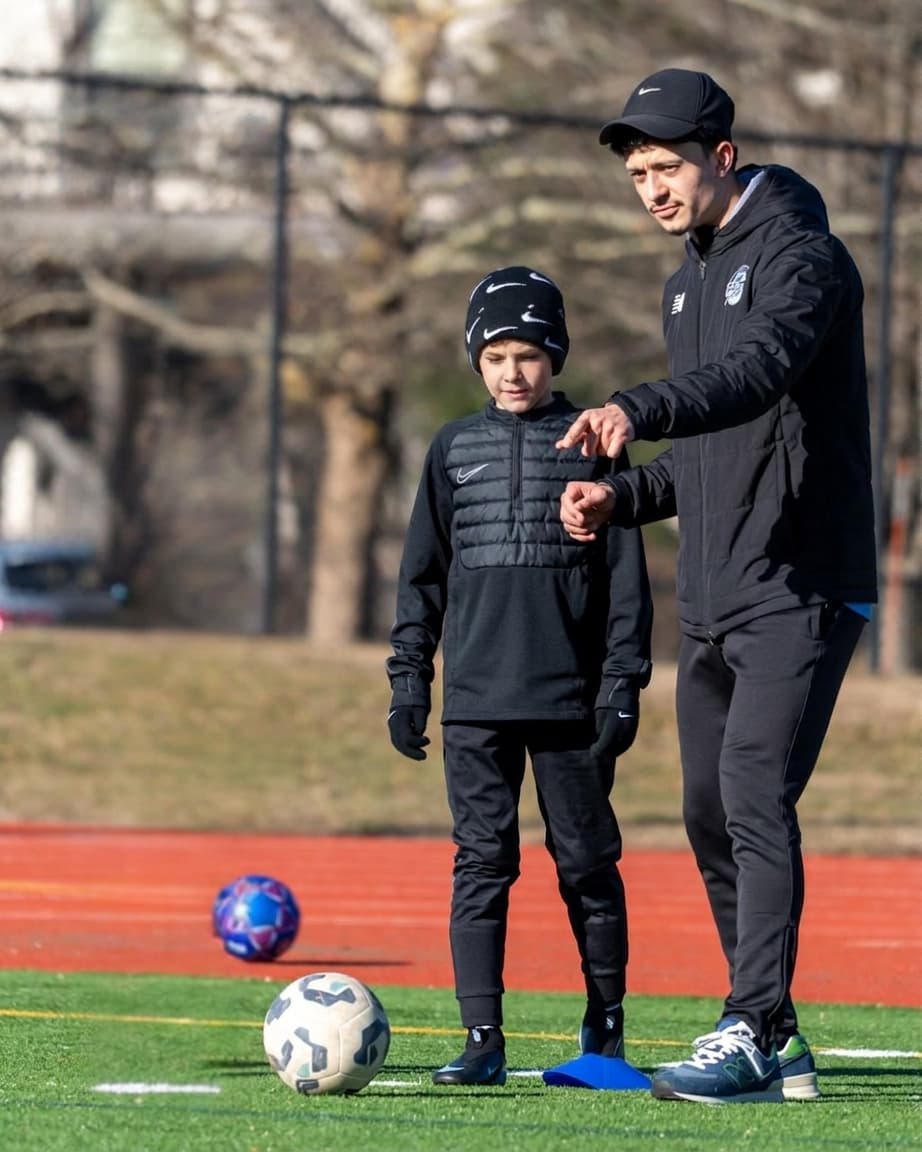
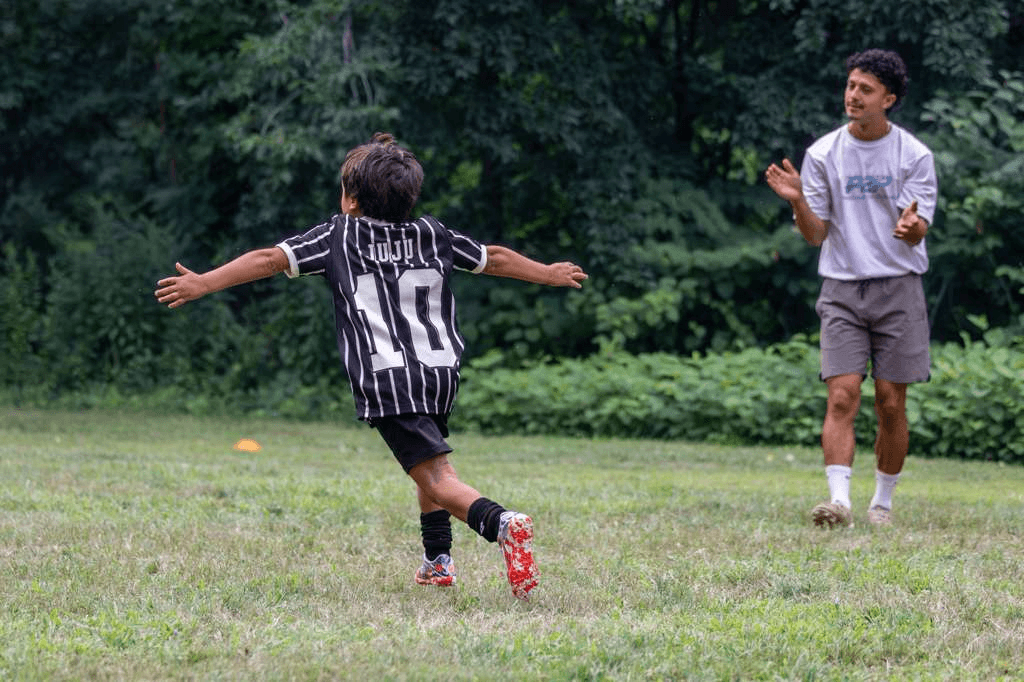
Coaching in action
Young players need energy, patience, and standards they can understand.
All ages and levels
P2P sessions meet the athlete in front of him. A younger player may need confidence and clean basics; an older player may need tempo, pressure, and sharper correction.
Patient coaching, clear demonstrations, and simple cues for young players learning how to move, listen, compete, and enjoy the work.
Sessions can slow the game down, clean up technique, and give families a practical next step without overwhelming the athlete.
Older or more experienced players get sharper detail, higher tempo, and more demanding standards while still training with control.
The promise is not one style for every player. It is the right challenge, the right language, and a coach who can adjust the session as the athlete grows.
Research-informed
Plyometrics and soccer-specific movement training can support development when they are progressed carefully and connected back to the demands of the game.
Every athlete responds differently. Session design considers age, training history, schedule, fatigue, movement quality, and readiness before intensity is increased.
van de Hoef et al., 2020
A systematic review and meta-analysis in adult male soccer players reported benefits in jump height, 20 m sprint speed, and endurance, while also warning that study quality and heterogeneity matter.
Read sourceMichailidis et al., 2019
A youth soccer study found that adding plyometric and change-of-direction work to soccer training can support jumping ability, acceleration, and endurance parameters.
Read sourceAloui et al., 2022
Research on U-15 players reported that combined plyometric and short-sprint training can improve several athletic qualities when added to regular soccer practice.
Read sourceZhang et al., 2023
A systematic review and meta-analysis reported a positive effect of plyometric training on soccer kicking performance, with practical relevance for shooting and passing actions.
Read sourceTraining standards
The standard is simple: coach with detail, progress with care, and track what matters as the athlete builds better habits.
Progress is evaluated through cleaner mechanics, more consistent execution, sharper decisions, and coach-observed development.
Movement work should still connect back to soccer touches, angles, timing, and the player's role on the field.
Plyometric and speed work have to be coached with clean landings, rest, progression, and the athlete's readiness in mind.

Clear training environment
Every session should give the athlete a clear task, a clear correction, and a clear next rep.

Start the work